





Shop By Category
Most Popular Socks & Textiles
See more popular Socks & Textiles
- $14.30 - $29.90
- Unit price
- per
- $12.70
- Unit price
- per
- $15.90 - $28.30
- Unit price
- per
- $30.30
- Unit price
- per
- $26.90 - $47.79
- Unit price
- per
- $43.70 - $47.30
- Unit price
- per
- $33.00
- Unit price
- per
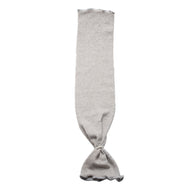
- $15.99 - $38.70
- Unit price
- per
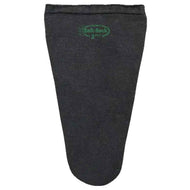
- $16.90 - $25.30
- Unit price
- per
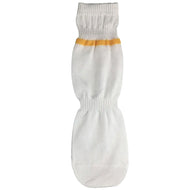
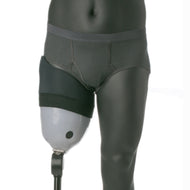
- $18.30 - $19.90
- Unit price
- per
- $49.00 - $61.30
- Unit price
- per
- $53.00
- Unit price
- per
- $73.90 - $87.00
- Unit price
- per
- $19.90
- Unit price
- per
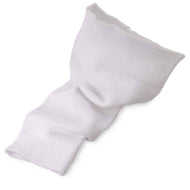
- $19.90 - $31.00
- Unit price
- per
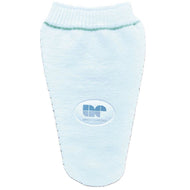
- $6.90 - $12.30
- Unit price
- per
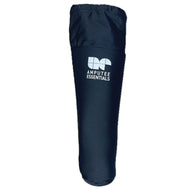
- $47.00
- Unit price
- per
What type of prosthetic sock are you looking for?
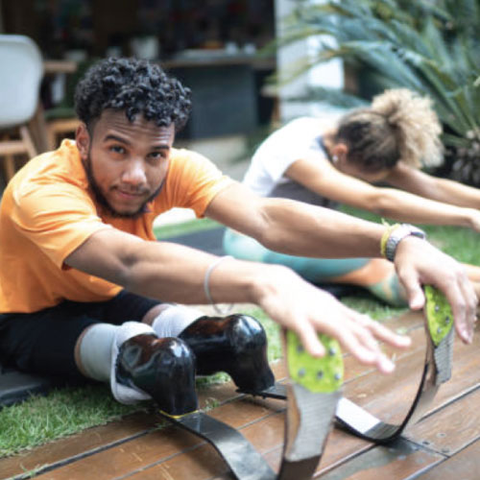
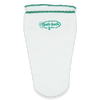
Sweat Wicking
Like your most trusted staples, these sweat wicking socks and sheaths will move moisture away from your skin and keep you drier.
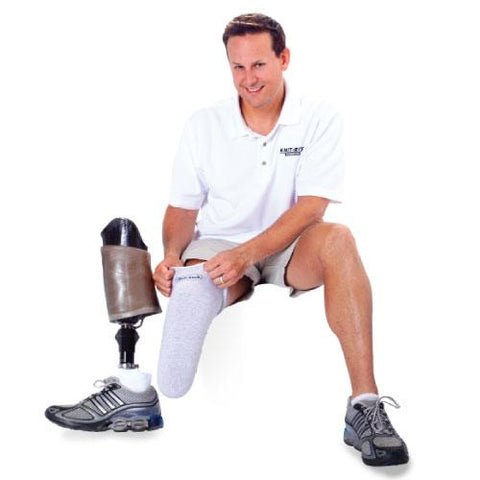
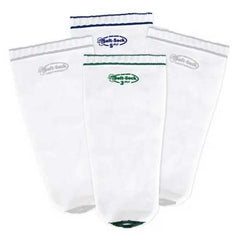
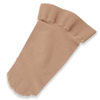
Soft Socks
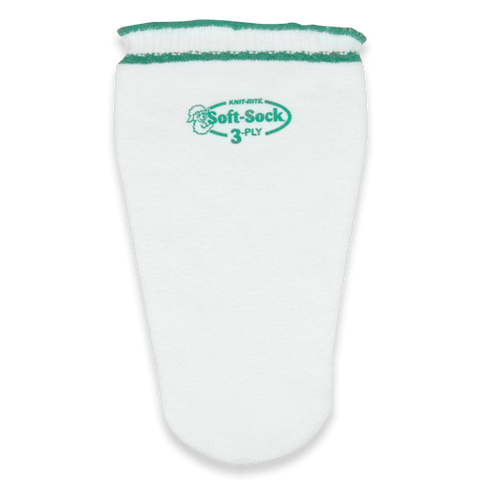
Engineered for comfort, soft socks should be part of everyone's prosthetic sock supply. Considered the highest quality sock on the market.
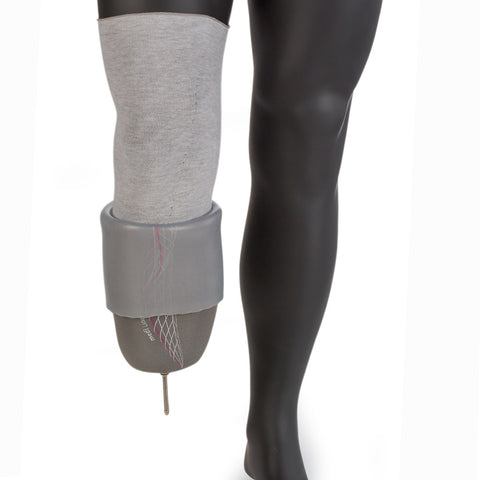
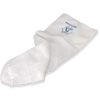
Anti-Chafing & Sweat Wicking Protection
Up your skin protection with prosthetic socks and sheaths that fight chafing and sweating.
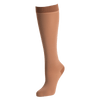
Shop Prosthetic Shrinkers to prevent swelling
See more Prosthetic Shrinkers
- $12.70
- Unit price
- per
- $30.30
- Unit price
- per
- $33.00
- Unit price
- per
- $15.99 - $38.70
- Unit price
- per
- $20.70 - $24.30
- Unit price
- per
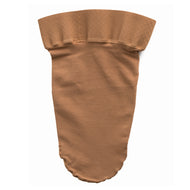
- $38.70
- Unit price
- per
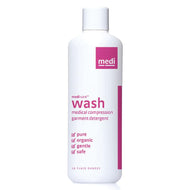
- $14.90
- Unit price
- per
- $49.00 - $61.30
- Unit price
- per
Shop By Brand








Related Prosthetic Categories
 Foot Shell Spectra Socks
Socks & Textiles on amputeestore.com
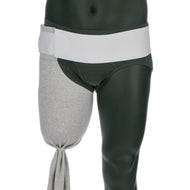
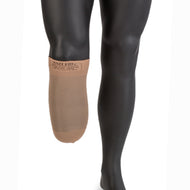
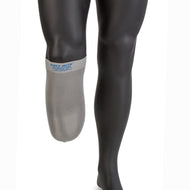
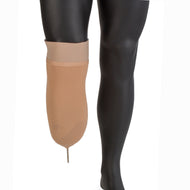
Prosthetic Textiles are specially knitted fabrics engineered for the needs of those living with limb loss. Knitted textiles are an integral and critical part of your prosthetic setup or system. Whether mid-day you're experiencing discomfort along the end of your bone or your prosthetic leg feels short, most likely prosthetic socks or stump sheaths are the solution. Fine tune your prosthetic socket fit with filler socks, manage...
Read MoreProsthetic Textiles are specially knitted fabrics engineered for the needs of those living with limb loss. Knitted textiles are an integral and critical part of your prosthetic setup or system. Whether mid-day you're experiencing discomfort along the end of your bone or your prosthetic leg feels short, most likely prosthetic socks or stump sheaths are the solution. Fine tune your prosthetic socket fit with filler socks, manage swelling with a shrinker or improve comfort with gel prosthetic socks. Prosthetic manufacturers are tirelessly improving and adding new options to choose. We've put together a Prosthetic Textiles Guide to help you select the right prosthetic garment to fit your lifestyle.
Read Less